How Many Patients Does a Family Doctor Have? A Clear Look at Patient Panels, Workload, and What It Means for Your Care

Many people ask: “How many patients does a family doctor usually have?” or “Is my family doctor too busy?” It’s a simple question with a surprisingly complex answer, because the number of patients a family physician cares for depends on many things — including health system models, practice setup, clinic policies, and individual physician preferences.
In this article, we’ll walk through everything you need to know about:
- Typical panel (patient roster) sizes for family doctors in Ontario
- What influences how many patients a physician manages
- How the number of patients affects your access to care
- What it means when doctors take on more or fewer patients
- How clinics like Halton Medix Milton manage patient panels and access
We’ll answer common concerns like “Is it bad if my doctor has thousands of patients?”, “How many patients can a family doctor handle well?”, and “Does panel size affect appointment availability?” in a natural, real‑world way.
Family Doctor Patient Panels: The Big Picture
A family doctor’s “panel” is the total group of patients they are responsible for — whom they see for routine care, chronic disease management, preventive screenings, and coordination with specialists.
Unlike specialists who focus on specific body systems (like cardiologists or dermatologists), family doctors are generalists. They see patients of all ages and manage everything from well‑child visits to senior care. Because of this broad scope, the number of patients in a typical panel can vary widely.
In Ontario, family physicians can have anywhere from 500 to over 3,000 patients on their panel — and sometimes even more.
At the low end, a doctor may choose to keep a smaller panel (around 500–800 patients) to provide very personalized care, longer appointments, and more follow‑up time. At the higher end, a doctor might manage 2,000–3,000 patients, particularly if they’re part of a larger team or practice model with support from nurse practitioners, physician assistants, or allied health professionals.
It’s important to understand that bigger panels aren’t inherently good or bad — they simply reflect different practice styles, service models, and priorities. What really matters is how well the practice supports patients and how efficiently care is delivered.
What Influences How Many Patients a Family Doctor Has?
Several key factors influence how many patients a family doctor can effectively manage:
1. Practice Model and Clinic Setup
Family doctors in Ontario work under various models:
- Traditional fee‑for‑service: Doctors bill per visit or service.
- Capitation or blended models: Physicians receive base payments per patient, with bonus incentives for preventive care and chronic disease management.
- Team‑based practices (e.g., Family Health Organizations): Doctors work with nurses, dietitians, and other allied professionals.
Clinics with team support can often manage larger panels because tasks like chronic disease education, routine follow‑ups, and patient reminders are shared across the team.
For example, Halton Medix Milton participates in models that integrate team‑based care, meaning that physicians can provide high‑quality care to a larger group of patients while supported by other practitioners.
2. Appointment Scheduling and Care Delivery Options
How a clinic schedules appointments affects panel size. Some common approaches include:
- Long appointment blocks for complex patients
- Same‑day or urgent walk‑in windows
- Telemedicine or virtual care slots
- Group appointments for education or chronic disease support
If appointments are long and thorough, a doctor might choose a smaller panel to avoid burnout. If telemedicine and team‑based follow‑ups are heavily used, larger panels can still receive timely care.
At Halton Medix Milton, patients can access care through a combination of scheduled appointments and integrated urgent care options — allowing doctors to balance continuity with timely access.
3. Patient Population and Complexity
Not all patient panels are the same. A doctor who works in a community with many seniors or patients with complex chronic conditions (like diabetes, arthritis, or heart disease) will likely have a smaller panel than a physician whose practice serves younger, generally healthier individuals.
For instance:
- A panel with many high‑needs seniors may top out around 700–1,200 patients.
- A panel focused on younger, healthy adults might stretch beyond 2,000 patients.
The key isn’t the raw number — it’s how much time and attention each patient’s health needs require.
4. Doctor’s Personal Style and Work Preferences
Some doctors like to see more patients each day but keep appointments short and focused. Others prefer longer, more conversational visits. Both styles are valid — but they naturally lead to different panel sizes.
A physician who schedules 15–20 minute visits may maintain a larger panel than one who prefers 30–40 minute comprehensive assessments.
5. Clinic Resources and Staff Support
Doctors with strong support teams — nurses, administrative staff, chronic disease educators, and dietitians — can manage larger panels more effectively. Team clinics help distribute workload so doctors are not doing everything alone.
Clinics such as Halton Medix Milton often use allied health professionals to assist with diabetes education, preventive care counseling, and follow‑up reminders. This increases capacity without sacrificing quality.
Typical Family Doctor Panel Sizes: What You Might Expect
Here’s a simplified way to understand typical panel sizes:
| Practice Type | Typical Panel Size | What It Means for Patients |
|---|---|---|
| Smaller, personalized practice | ~500–900 | Longer visits, very individualized care |
| Average community physician | ~1,000–1,800 | Balanced access and continuity |
| Team‑based clinic or FHO physician | ~1,800–3,000+ | Broad access with team support |
These are general ranges — it is not unusual to find doctors outside them. What’s most important is whether patients are getting timely access and the care they need.
How Many Patients Does a Typical Ontario Family Doctor See Per Day?
Another way people approach this question is by looking at daily volume.
A family doctor might:
- See 15–30 patients per day in traditional face‑to‑face visits
- Add virtual check‑ins, phone follow‑ups, and urgent care slots
- Work with nurse practitioners and team members who handle education or chronic care checks
In busy group practices, doctors might see more patients but rely on better scheduling systems and team support to ensure quality.
For patients, daily throughput matters in terms of how soon you can get an appointment — and how long you have to wait for routine care.
Does a Larger Panel Mean Worse Care?
Not necessarily.
A larger panel can coincide with good access and high patient satisfaction if:
- The clinic uses telemedicine consistently
- There’s a team‑based structure with nurse practitioners, dietitians, and admin support
- Urgent care and routine appointments are balanced
- Appointments are efficiently scheduled
For example, at Halton Medix Milton, physicians work in a coordinated setting where team‑based care helps maintain continuity even with many patients.
Research and patient experiences show that when family doctors are supported and don’t feel overwhelmed, panel size becomes less important than overall access, continuity, and quality of care.
How Many Patients Are Too Many?
There isn’t a single “magic number” that means a doctor can no longer provide good care. However, some red flags for patients include:
- Long delays for routine checkups
- Difficulty booking appointments or long wait times
- Minimal communication with the clinic team
- Lack of preventive care follow‑ups
- Burnout symptoms in clinic staff
Many patients explicitly search for information like “is 2,000 patients too many for a family doctor in Ontario” or “how many patients are too many for good care.” The honest answer is that quality and clinic organization matter more than raw panel size.
A doctor with a well‑organized team and efficient visit workflows can care for a larger group effectively — while a solo practitioner without support may struggle even with fewer patients.
How Panel Sizes Affect Your Access to Care
Here’s how panel size can influence patient experience:
1. Wait Times for Appointments
- Doctors with well‑managed panels and team support often offer better same‑day or next‑day appointments.
- Solo physicians with large panels may have longer routine wait times.
2. Continuity of Care
Patients value seeing the same doctor consistently. Even with large panels, team‑based clinics often ensure continuity by supporting follow‑ups and care coordination.
3. Chronic Disease and Preventive Care
Panel size matters less here than the clinic’s approach. If a practice has systems for regular disease monitoring, reminders, and education (like Halton Medix Milton), patient outcomes can be excellent even with many patients.
How Do Clinics Like Halton Medix Milton Handle Patient Panels?
At a community clinic such as Halton Medix Milton, panel management works by:
✔ Encouraging proactive scheduling for routine and preventive visits
✔ Providing telemedicine and virtual follow‑up options
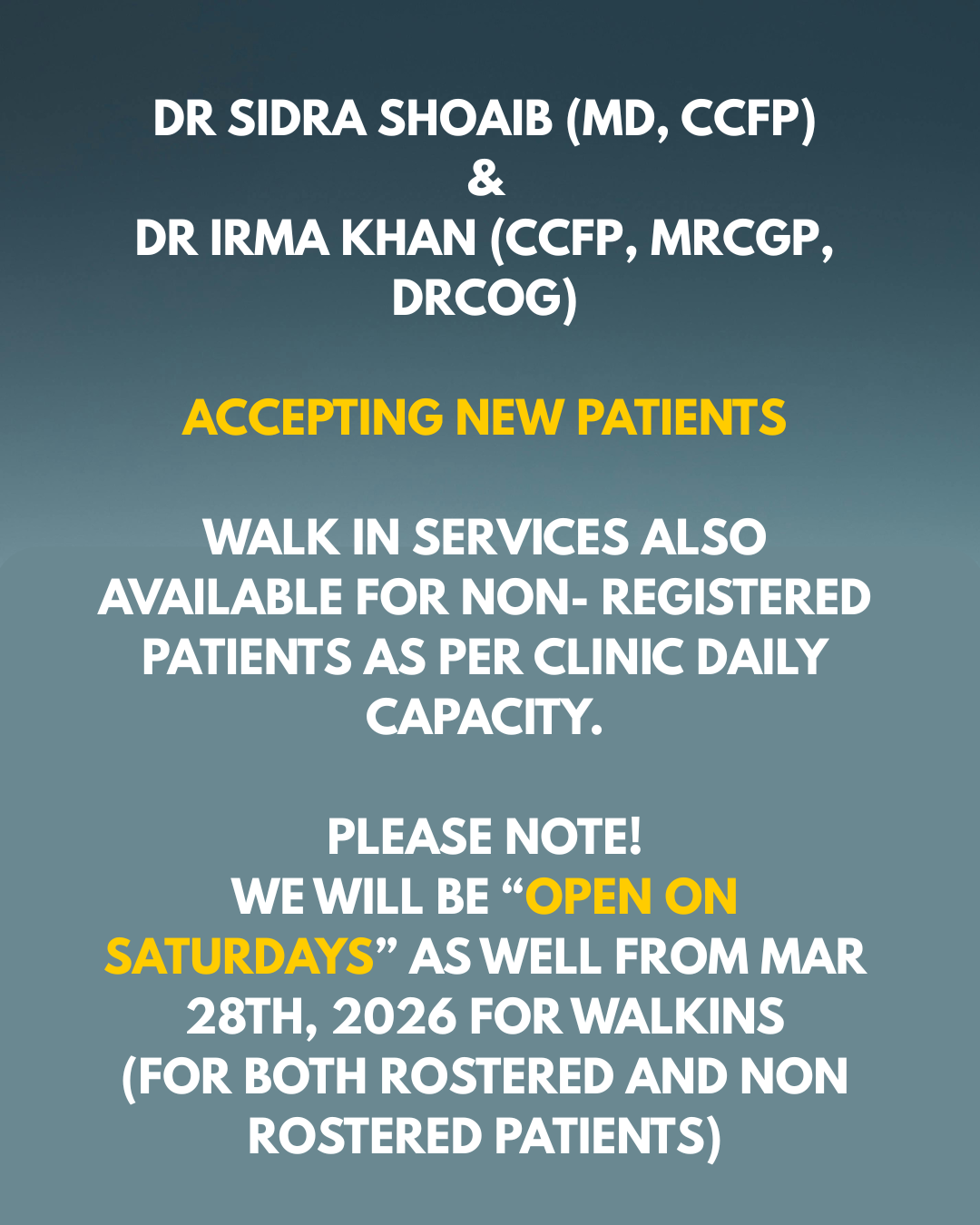
✔ Offering walk‑in and urgent care time slots for same‑day needs
✔ Coordinating care with nurses and allied health professionals
✔ Helping patients transfer medical records smoothly
✔ Supporting chronic disease management programs
This kind of structured care model allows physicians to manage a strong, effective panel without compromising quality.
Real Patient Experience: What This Means for You
For a patient, the real questions are usually:
- “How soon can I get an appointment?”
- “Will my doctor know my history?”
- “Do I have access when I need care?”
Panel size affects these things indirectly — but what really matters is how accessible and coordinated your care is.
Clinics that focus on proactive care, team‑based service, and flexible visit options (in‑person and virtual) help patients feel supported even if the doctor’s panel is large. In Milton, patients at Halton Medix Milton experience this through:
- Integrated chronic disease clinics
- Telemedicine availability
- Preventive screening reminders
- Clear after‑hours care guidance
This shows that panel size is only one piece of the care puzzle.
What Happens if a Doctor Stops Accepting New Patients?
It’s common for family doctors to close their panel to new patients once they reach a comfortable size. When that happens, you might see signs like:
- No online registration for new patients
- Staff saying there are no openings at the moment
- New patient blocks released periodically
Clinics like Halton Medix Milton often manage this with clear communication, allowing patients to waitlist, call back, or check for openings.
How to Choose a Family Doctor Based on Panel and Access
When you’re searching for a doctor, consider:
1. Appointment Availability
Are routine and urgent visits easy to book?
2. Continuity of Care
Do you see the same provider each time?
3. Preventive Services
Are you reminded about screenings and vaccines?
4. Support Team
Does the clinic use nurses, dietitians, or care coordinators?
5. Communication
Can you contact the clinic easily (phone, online forms, telemedicine)?
For many patients in Milton and Halton Region, Halton Medix Milton offers a good balance of these factors — ensuring that panel size doesn’t compromise care quality.
Final Thoughts: It’s Not Just a Number — It’s the Care That Counts
So how many patients does a family doctor have? It depends — but most physicians in Ontario manage anywhere from 500 to 3,000+ patients on their panel. What truly matters is how that panel is organized, supported, and cared for.
A clinic with strong team support, flexible visit options, clear communication, and proactive preventive care can serve a large panel very well. Conversely, a smaller panel without these structures may still struggle.
If you’re evaluating family doctors and want a practice that balances panel size, access, continuity, and quality, take a look at the services and approach at Halton Medix Milton — a primary care provider focused on comprehensive, patient‑centered care in Milton and the Halton Region.